


 Technology
Engineered to breakdown, designed to return
REPLO® is a science-backed organic additive that transforms conventional plastics and synthetics to enable true microbial biodegradation. Added during manufacturing, REPLO® integrates directly into existing materials without changing performance, production, or recyclability.
Scientifically validated
REPLO® has been independently validated to accelerate biodegradation in landfill, marine, wastewater, and industrial compost environments under ASTM and ISO protocols and is certified with Intertek Green Leaf and OEKO‑TEX® ECO PASSPORT.

How REPLO® works
Our technology is simple to integrate but powerful in impact. REPLO® doesn’t require special composting or recycling systems. It works from the inside out, activating biodegradation naturally through microbial activity in landfill, marine, wastewater and industrial compost environments.
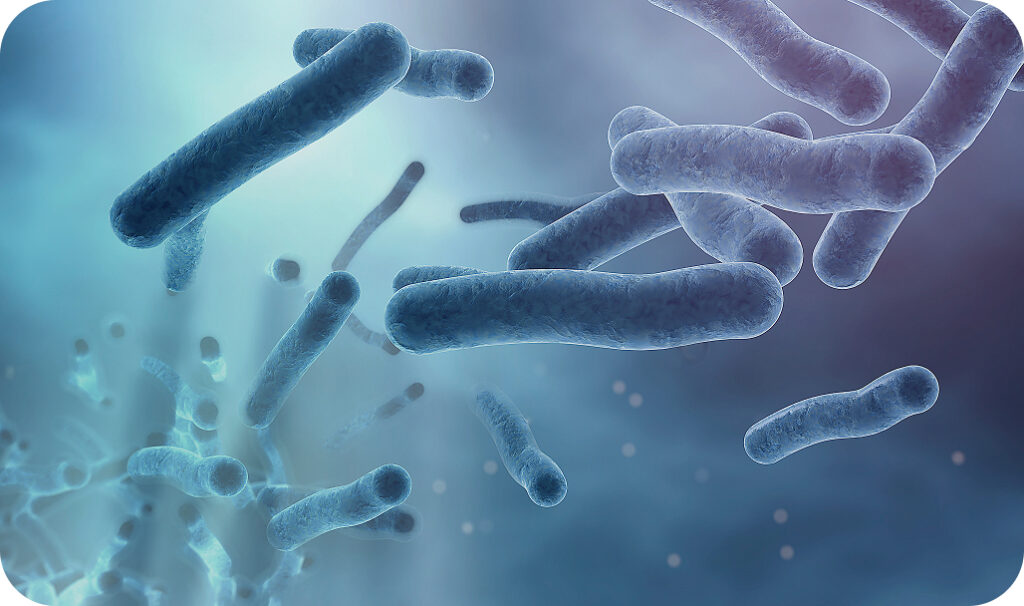
Microbe attraction
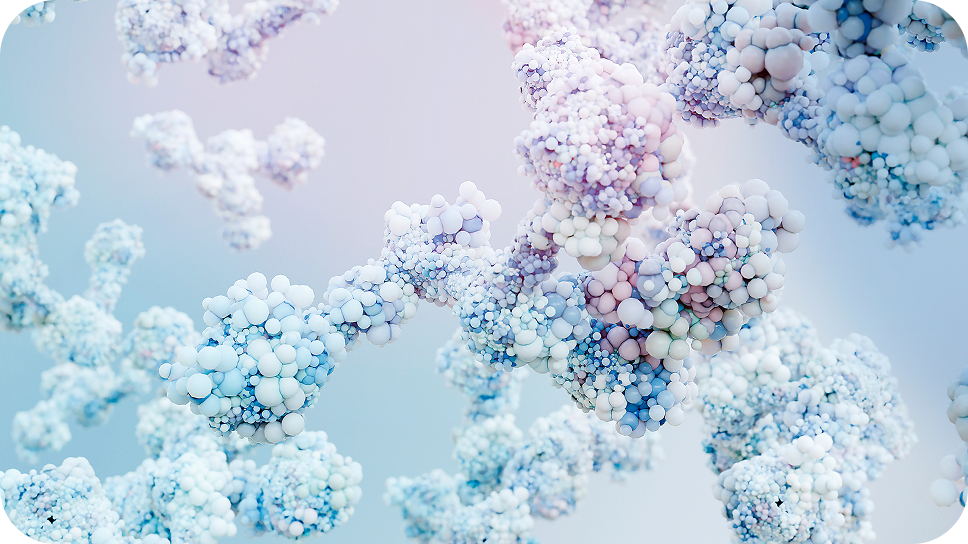
REPLO® creates surface conditions that allow microbes to recognise and attach to the plastic, initiating natural colonisation.
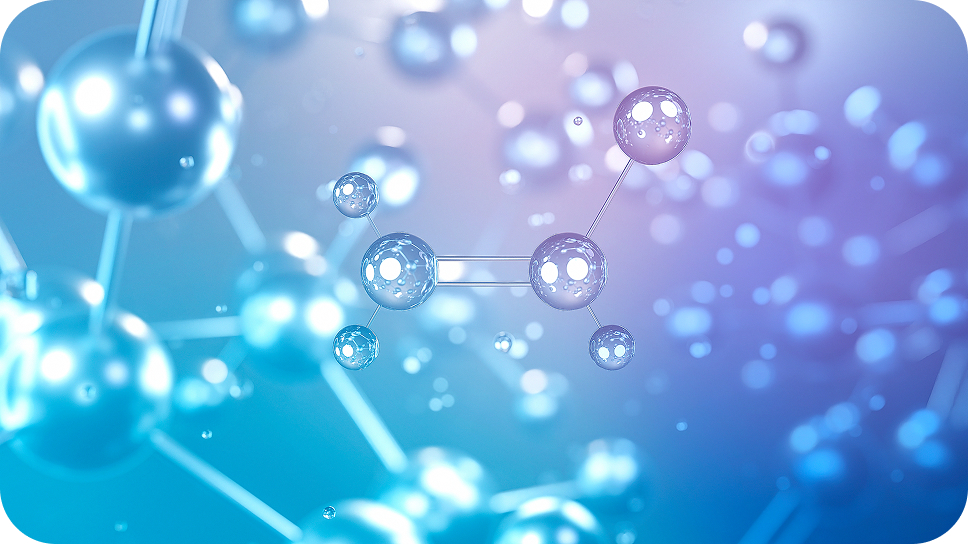
Breakdown & digestion
Water and enzymes progressively depolymerise the material into smaller molecules and monomers, which microbes consume as a food source, avoiding microplastic formation.
Biofilm formation & enzyme activation
Once attached, microbes form a moisture-rich biofilm and release enzymes that modify the polymer surface, making it hydrophilic and biologically accessible.

From waste to renewal
In landfill environments, the natural biodegradation process can also generate methane, which can be captured as a source of renewable energy in managed systems.
Microbe attraction
REPLO® creates surface conditions that allow microbes to recognise and attach to the plastic, initiating natural colonisation.
Biofilm formation & enzyme activation
Once attached, microbes form a moisture-rich biofilm and release enzymes that modify the polymer surface, making it hydrophilic and biologically accessible.
Breakdown & digestion
Water and enzymes progressively depolymerise the material into smaller molecules and monomers, which microbes consume as a food source, avoiding microplastic formation.
From waste to renewal
In landfill environments, the natural biodegradation process can also generate methane, which can be captured as a source of renewable energy in managed systems.
Biodegradable technology with competitive edge
REPLO® delivers a smarter path to sustainability, accelerating biodegradation while preserving product performance and production efficiency. Designed as a low-dose, drop-in organic additive, REPLO® integrates seamlessly into existing systems, giving brands and manufacturers measurable environmental progress without operational disruption.






REPLO® Testing Dashboard
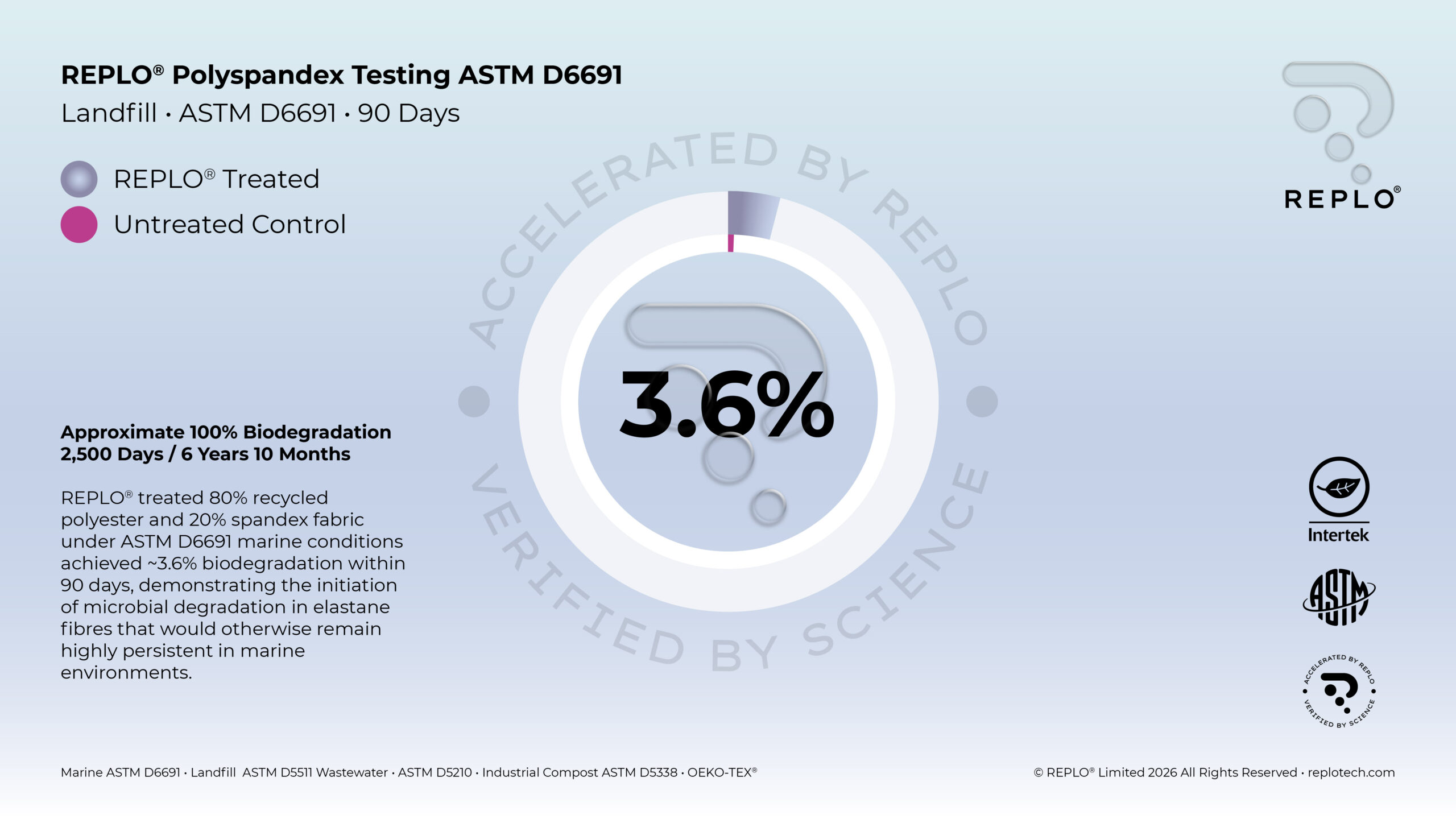
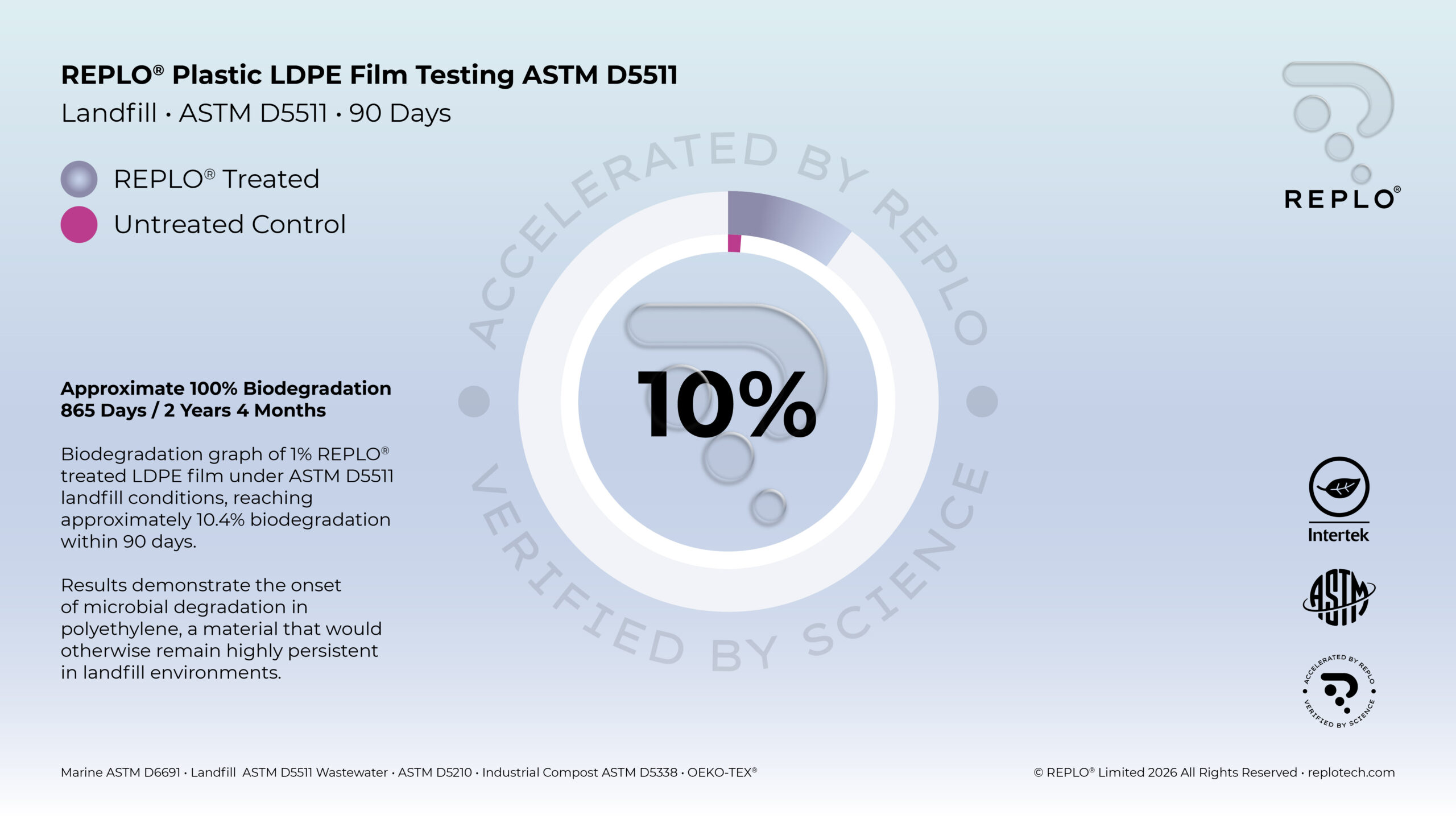
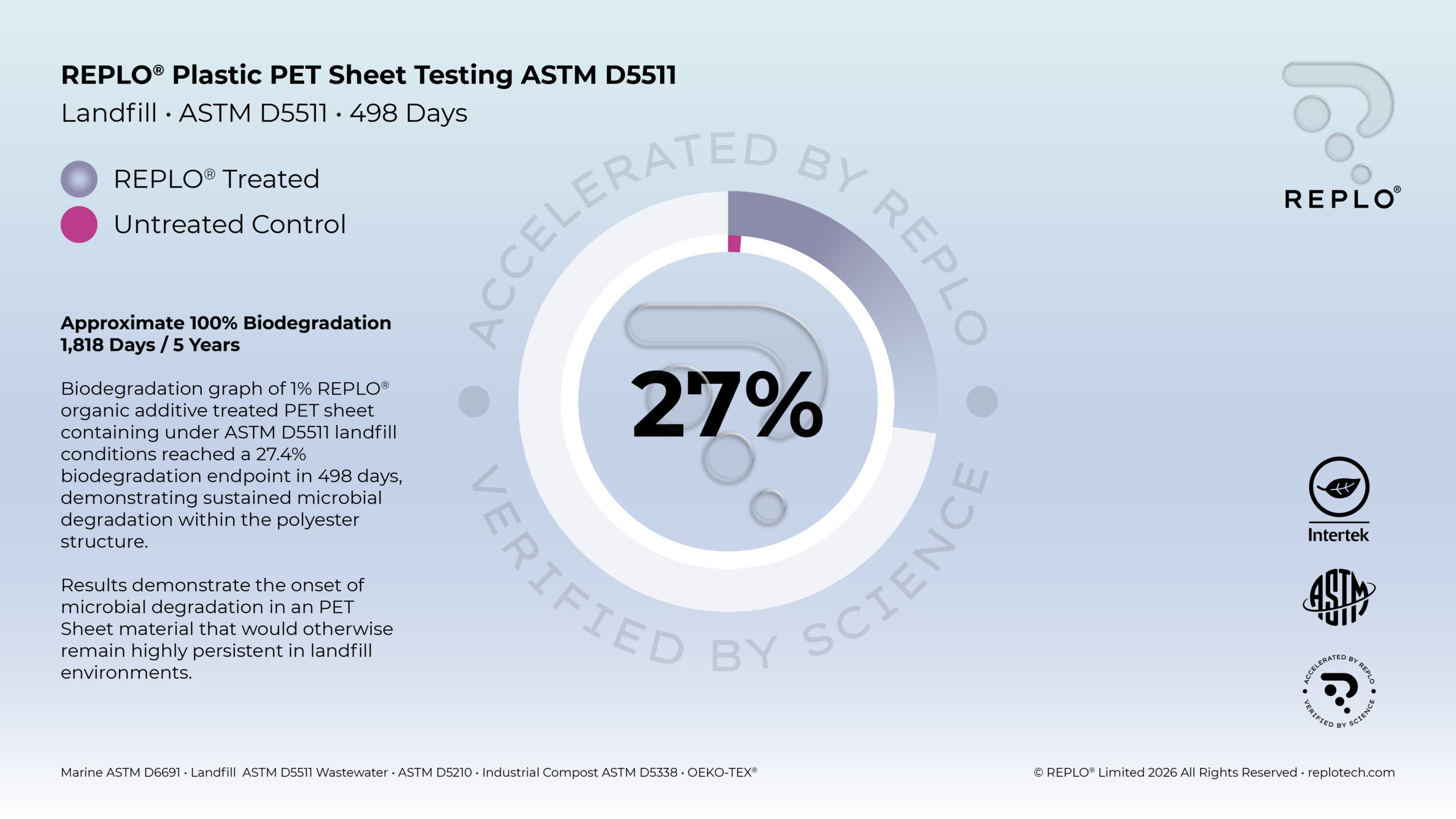
Verified through independant testing, REPLO® is designed to help reduce long-term material persistence, supporting biodegration pathways measured in years rather than centuries under defined end-of-life conditions.
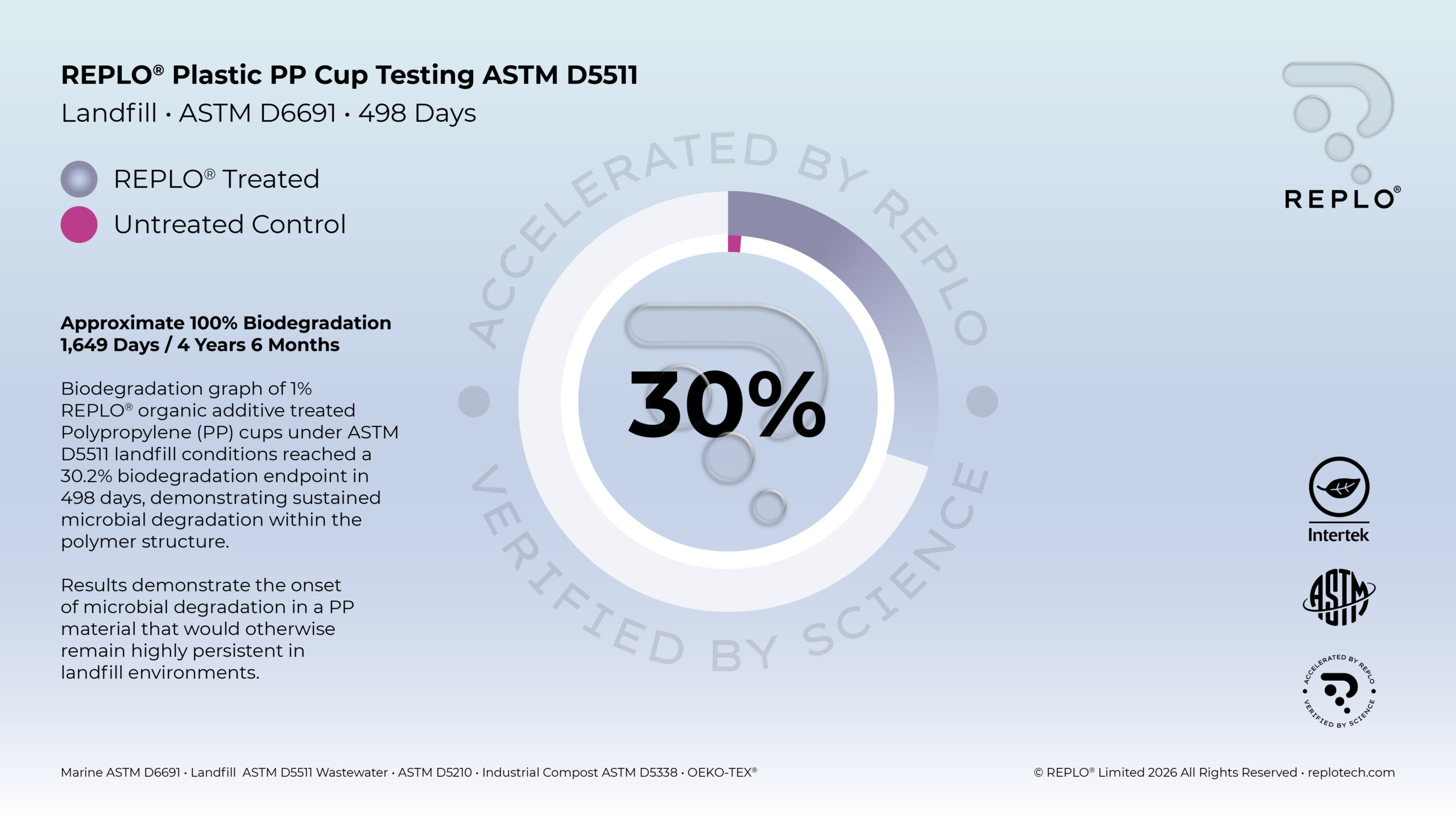
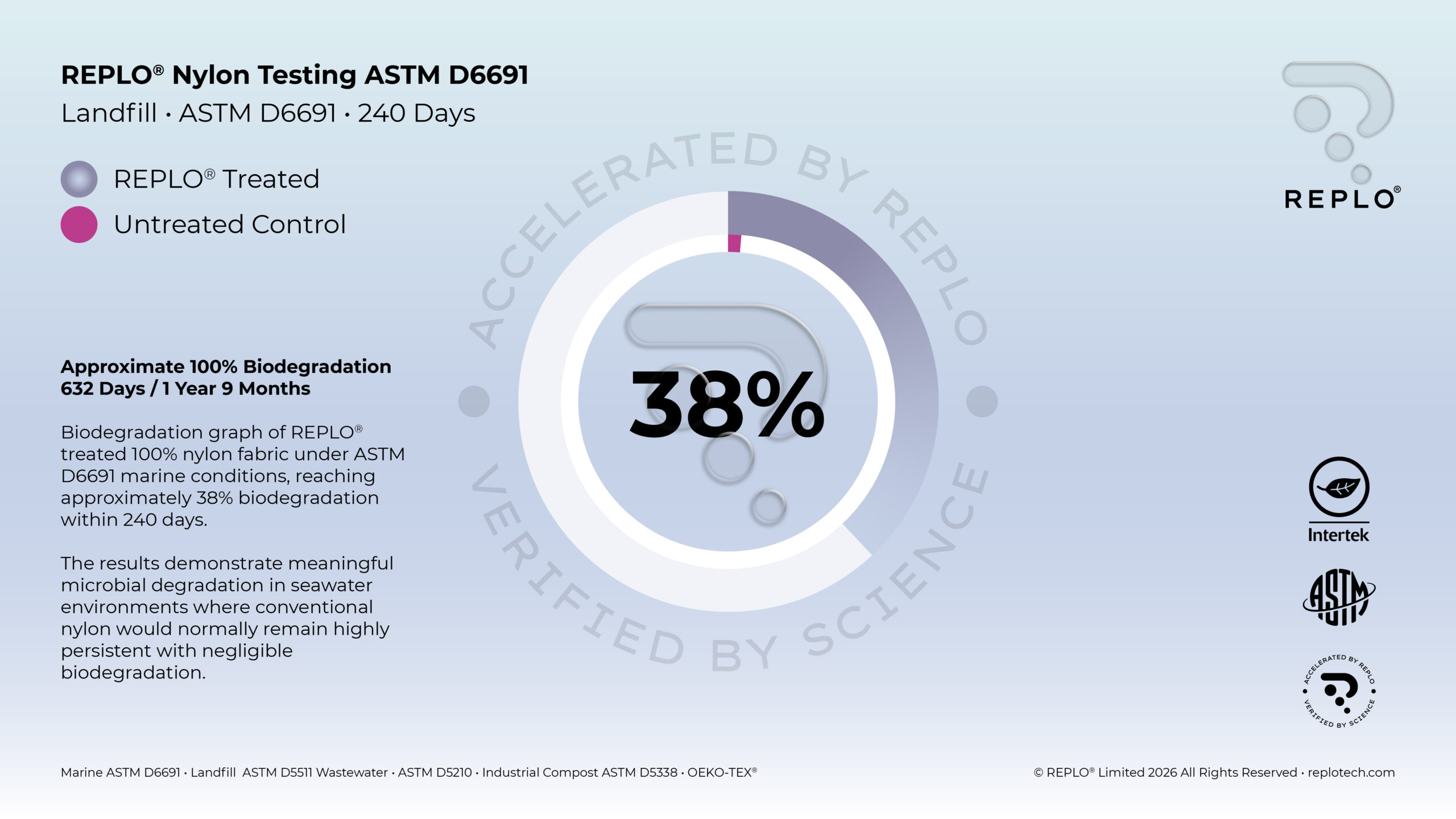
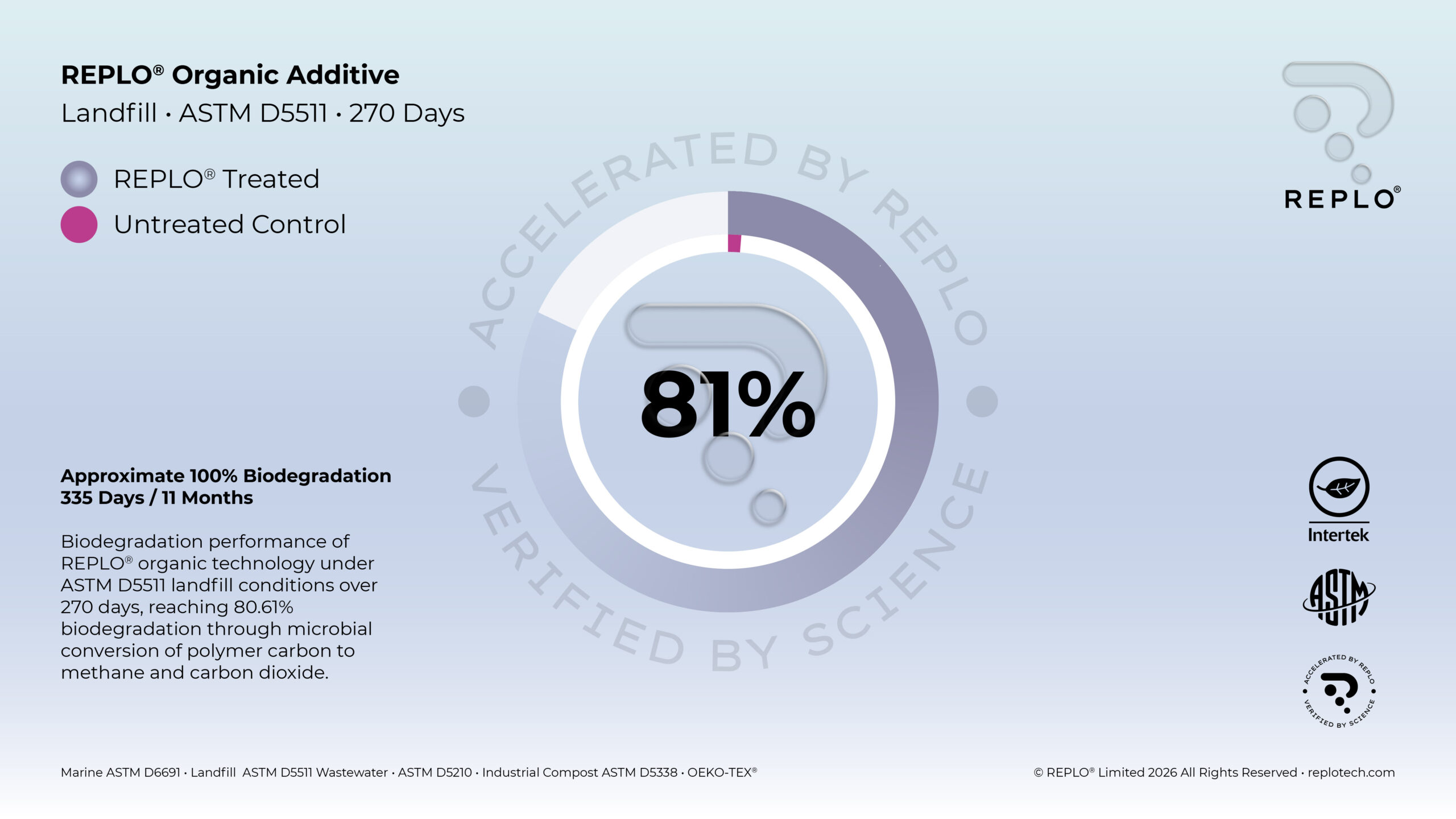
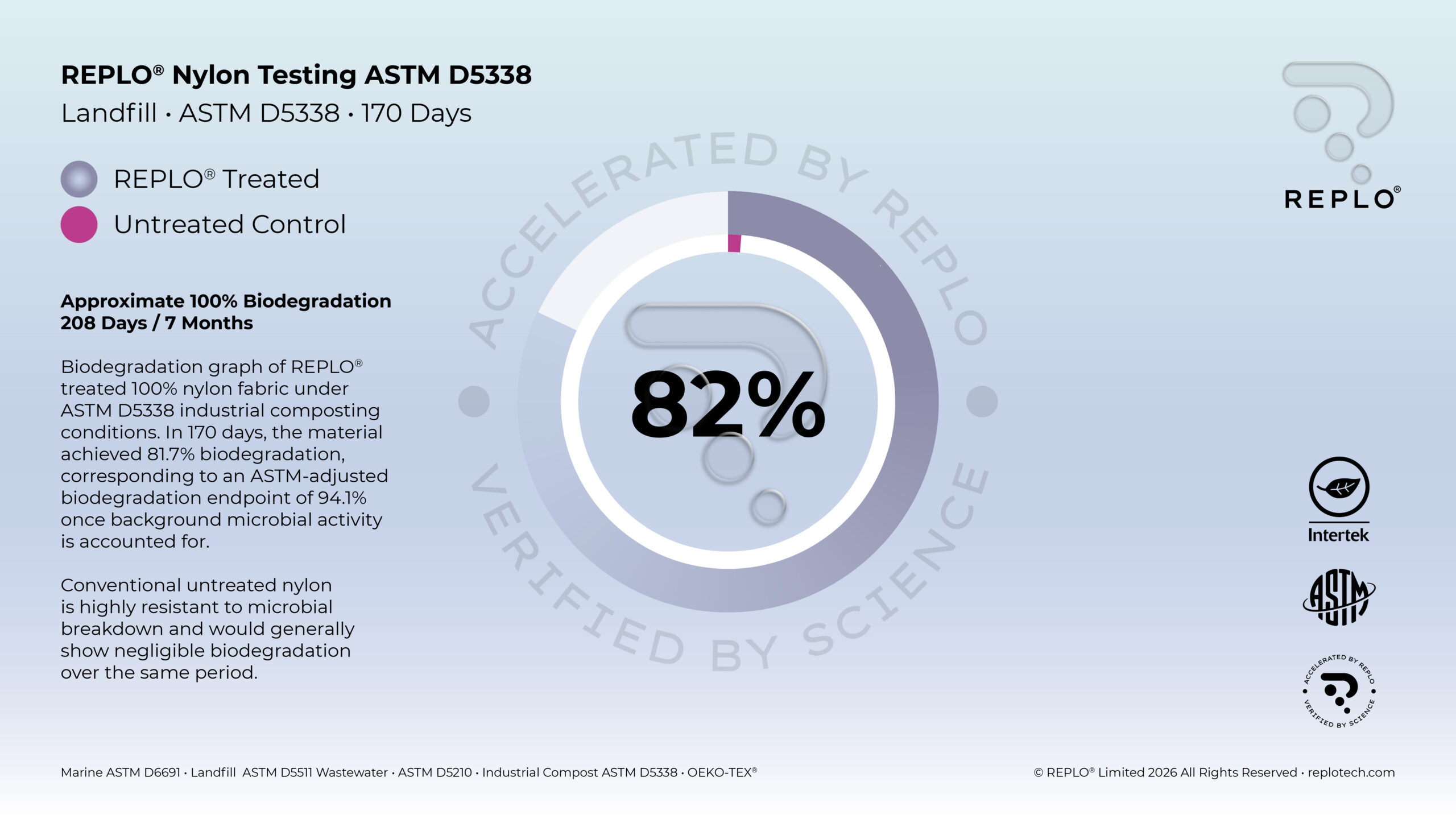
REPLO® at a glance
REPLO®: the science-backed, organic additive accelerator that works within conventional plastics and synthetic textiles to help them break down responsibly at end of life.
| Feature | Benefit |
|---|---|
| Ease of Integration | Drop-in, organic additive, no equipment changes |
| Biodegradation | Accelerated microbe-activated breakdown in landfill, marine, industrial compost and wastewater with no microplastics |
| Scientific Rigor | ASTM and ISO-verified, third-party tested |
| Material Integrity | Maintains product strength, performance and shelf life |
| Eco & Human Safety | OEKO-TEX® certified, non-toxic to ecosystems |
| Versatility | Compatible across major plastics and synthetic fibres, including PE, PP, PET, nylon, polyester and spandex |
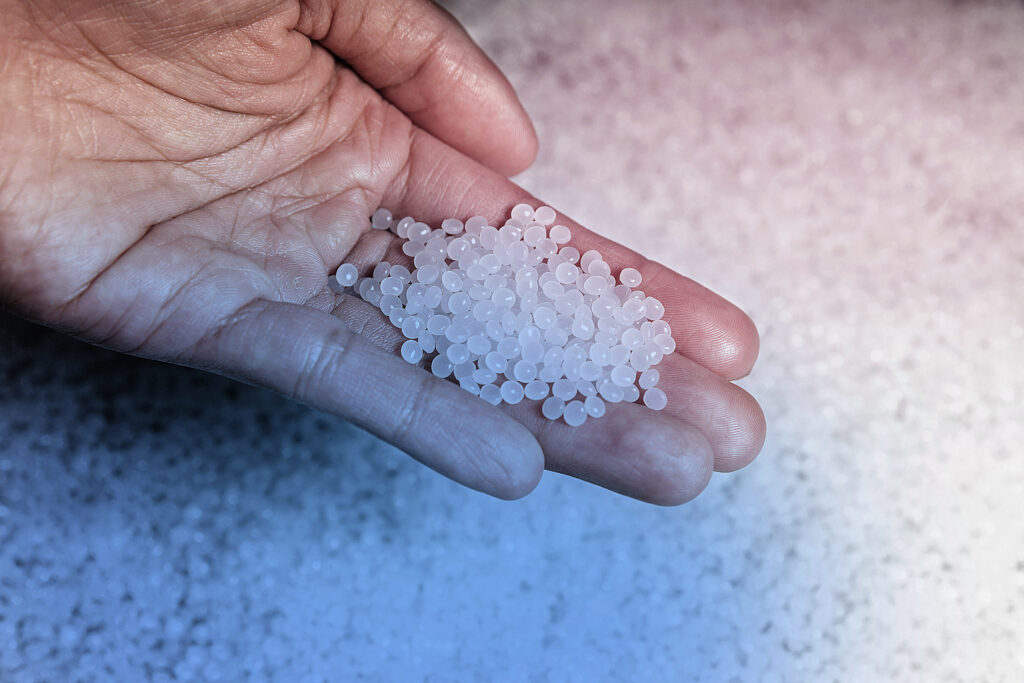
Organic technology
REPLO®’s proprietary organic additive enables true microbial biodegradation in conventional plastics and textiles, including spandex and elastane.
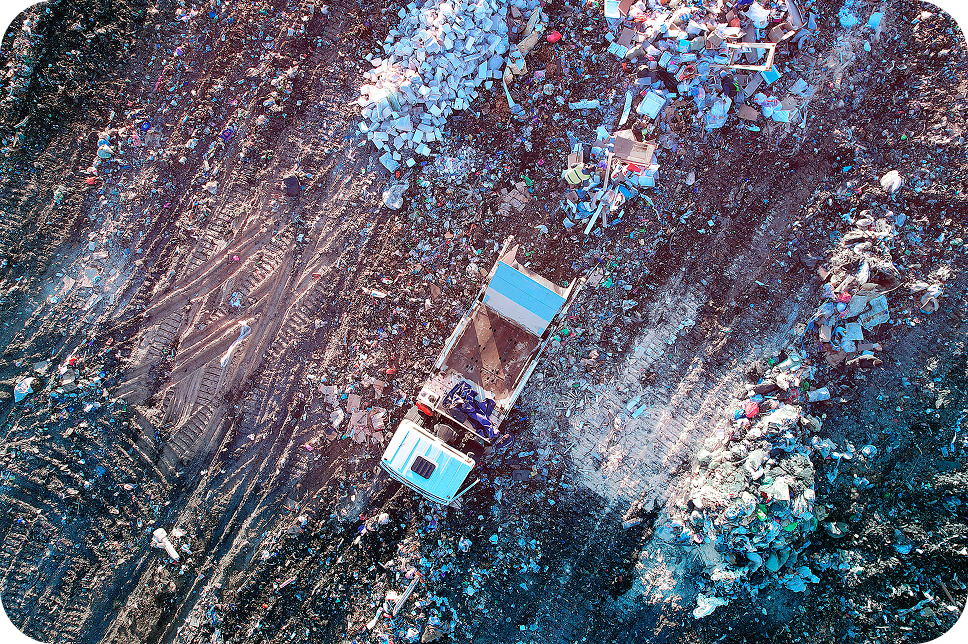
Multi-environment use
REPLO® is engineered to perform across landfill, wastewater, industrial composting, and marine environments.
Scientific validation
REPLO® is independently validated by accredited laboratories under ASTM D5511, D6691, D5338, and D5210, confirming credible biodegradation performance across multiple waste streams.
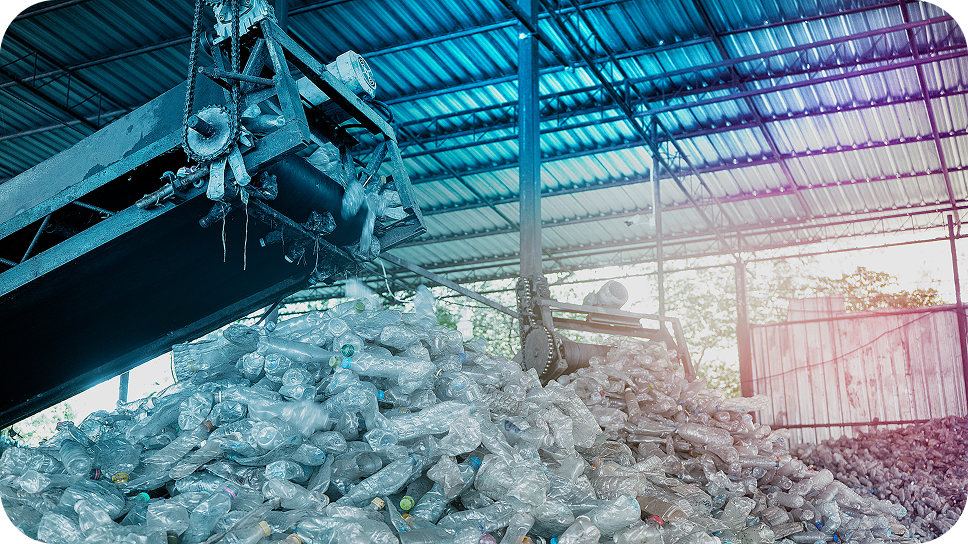
Recycling compatible
REPLO® delivers rapid biodegradation with no microplastics, while maintaining material integrity and proven compatibility with existing industrial-scale recycling systems.
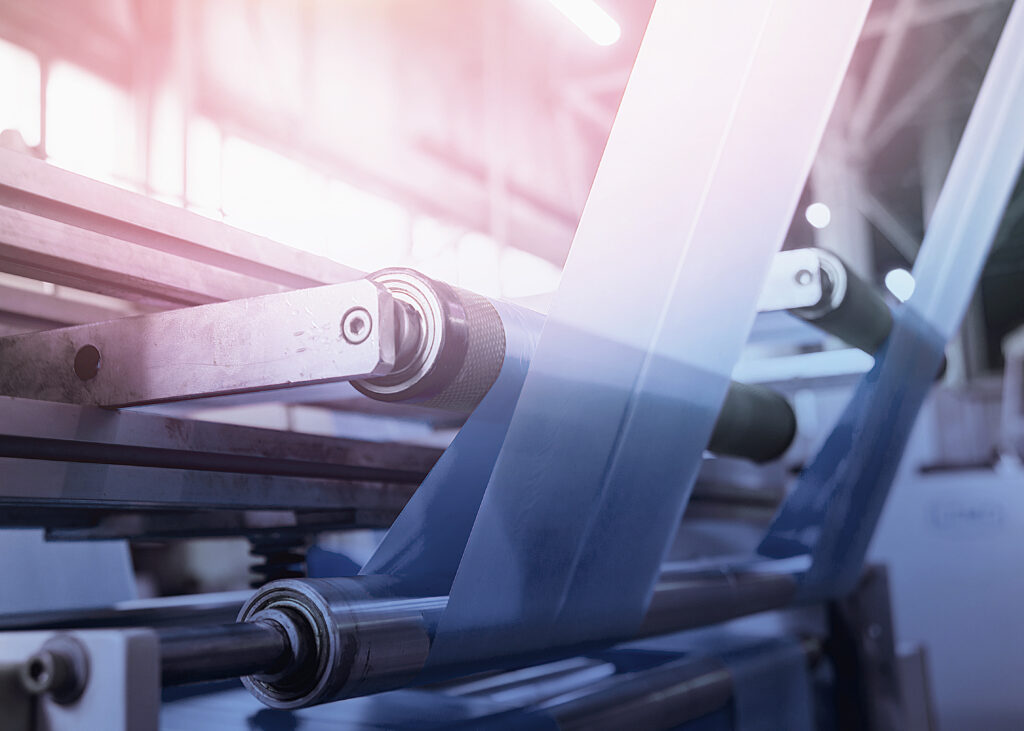
Competitor advantage
REPLO® outperforms PLA, oxo-additives, and enzyme alternatives on scalability, cost-efficiency, and material range. The smart, practical, commercial-ready solution.

Market gap solution
REPLO® solves the real-world problem: biodegrading plastics where over 80% of global waste actually ends up turning an environmental liability into a scalable, investable solution.
Curious about REPLO®?
Curious about REPLO®? Find answers to common questions about how our additive works, speeds up biodegradation, and helps reduce microplastics without compromising performance.
REPLO® is compatible with a broad range of petroleum-based plastics: LDPE, HDPE, PP, PET, as well as synthetic textiles including polyester (PET), nylon (polyamide), acrylic, and polyester–spandex blends. Compatibility is achieved when incorporated during the resin compounding, extrusion, or fiber melt stage.
REPLO® is added as a masterbatch or direct additive during standard polymer feed, extrusion, injection molding, blow molding, or fiber spinning. No process retooling, additional equipment, or changes in temperature profiles are required.
Extensive testing confirms REPLO® does not compromise tensile strength, elongation, elasticity, thermal properties, color, or processability. It maintains performance throughout the product lifecycle.
REPLO® is a microbial biodegradation accelerator. It enhances microbial recognition of polymer chains by increasing surface accessibility and susceptibility to enzymatic attack in biologically active environments. The additive does not introduce microbes; it works with naturally occurring bacteria and fungi in landfill, marine, industrial compost, and wastewater systems.
Complete microbial metabolism results in CO₂, water, biomass, and humic compounds under aerobic conditions. Anaerobic environments, such as landfills, produce methane and CO₂, consistent with natural organic waste decomposition.